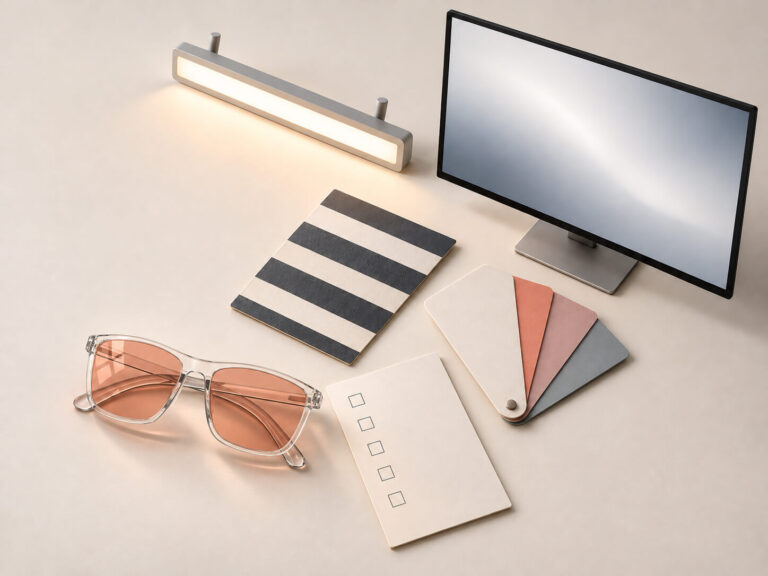


If noise is the main problem in the place you need to be, earplugs may be the more useful first purchase. For outdoor brightness, start with suitable sunglasses; for harsh indoor light, consider a tint that leaves your task easy to see. Flicker calls for a closer look at the light source.
Why light and sound need different answers
Migraine can involve both sensitivity to light and sound during an attack. Photophobia means sensitivity to light; phonophobia means sensitivity to sound. Having both doesn’t make them the same problem: a lens changes light reaching your eyes, while an earplug reduces sound reaching your ears.
Even visual discomfort can have different sources. Brightness is how intense the light appears. Flicker is a repeated change in a light source’s output over time; it isn’t necessarily visible as an obvious flashing light. Noise is an auditory exposure, such as a crowded room or equipment. A review of visual sensitivity in migraine describes brightness and flicker as distinct aspects of visual discomfort. Neither an uncomfortable setting nor a single exposure proves what caused an individual attack.
| Option | What it can contribute | What to check |
|---|---|---|
| Light-sensitive tinted lenses | Change the amount and mix of light reaching the eyes; a suitable tint may make a particular indoor setting more comfortable. | Can you see the task clearly? Is the tint comfortable, and does the frame work with your prescription? |
| Sunglasses | Reduce visible light for bright outdoor conditions. Some designs also address reflected glare. | Check visible-light darkness, glare features, UV protection, fit, and the intended setting separately. |
| Earplugs | Reduce incoming sound, depending on the design and how well they fit and are used. | Fit, insertion, and the level of sound reduction needed. |
Migraine glasses vs. sunglasses: which setting matters?
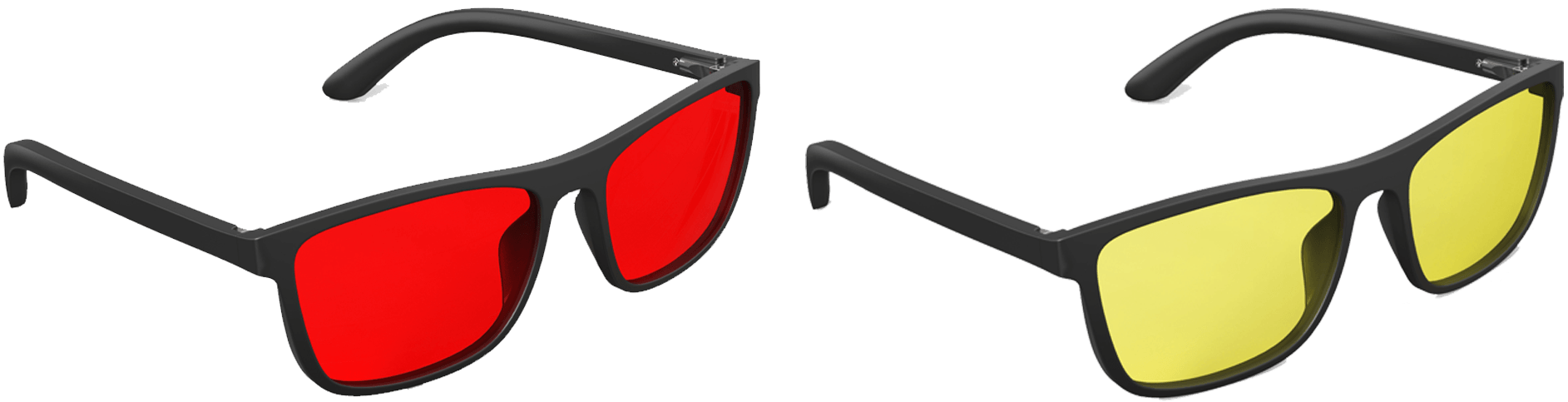
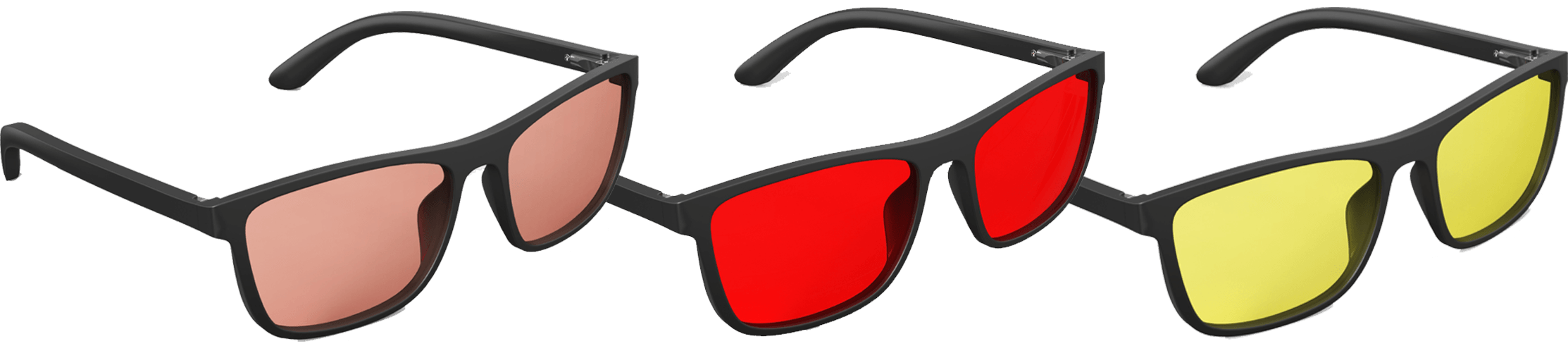
Tinted lenses for light sensitivity are not all the same. Their effect depends on which wavelengths they filter and how much visible light they transmit, as well as the person and task. A review of tinted spectacle lenses describes varied findings across filters and conditions, so a tint name alone cannot tell you how comfortable it will be for you. If you need to read a screen or see fine detail indoors, consider whether the lens leaves enough usable light and whether its color changes make your work harder.
Sunglasses are a more direct starting point when bright outdoor light is the dominant burden. Lens darkness, reflected-glare reduction, and UV protection are separate properties: a dark-looking lens doesn’t by itself tell you its UV protection. Check the UV label and choose a density and fit appropriate to the setting. A pair you already own may be worth considering before buying another; indoors, a very dark pair may make the actual task harder to see.
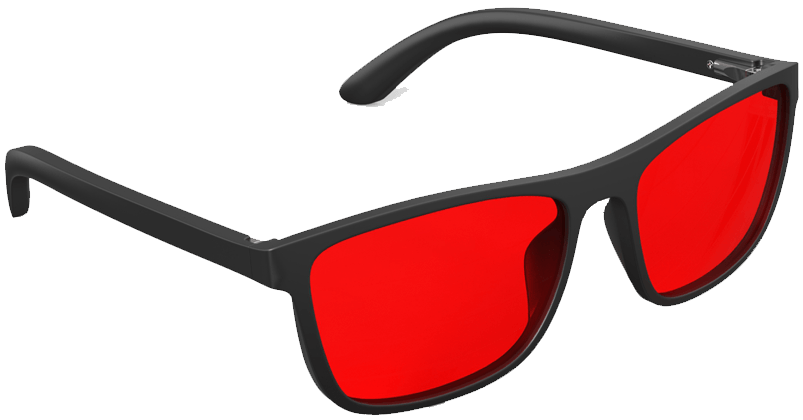
If you wear prescription glasses, decide whether you want a tinted pair with your correction built in or a fit-over that sits over your current frames. For example, Gloojo’s rose tint, designed for harsh indoor-light sensitivity, is offered in both custom-prescription and fit-over configurations. Measure your existing frames and consider the added bulk before choosing a fit-over; compare the full custom-lens cost and return eligibility before ordering a prescription pair.
Will tinted lenses fix flicker?
A tint filters light before it reaches your eyes; it does not remove the source’s underlying changes in light output over time.
If a particular fixture or screen seems difficult, a first step may be to move away from it, change your position, use a different light source, or check the device’s available display settings. Dimming is not a universal flicker fix: its effect depends on the device and how it controls light. If the source is the main issue and you can change it, that may be a more useful first step than buying eyewear. Don’t deliberately expose yourself to an uncomfortable light to prove a point.

Are earplugs for migraines worth it?
They can be worth a first trial when unwanted sound is the main burden in the setting you need to use. Choose a plug you can comfortably wear while still hearing necessary conversation and alerts. A noise-reduction label is not evidence that a plug prevents migraine attacks.
A basic foam plug may be a practical option to consider for occasional noise, but check how to insert it and whether it is single-use. Reusable or filtered designs may be worth considering when you need a repeat-use option or want to explore a different balance between noise reduction and hearing speech.
The NIOSH guide to choosing hearing protection explains why fit matters: package ratings come from laboratory testing, and the noise reduction you get in use depends on how well the plug fits. For hazardous noise at work or elsewhere, use protection appropriate to that exposure and follow applicable safety requirements rather than choosing solely for comfort or conversation.

What if wearing the tools is uncomfortable?
With glasses, consider frame pressure at the nose and temples, weight, and whether the tint leaves you able to distinguish the colors and details your task requires. If you use prescription lenses, check the correction and viewing distance too.
With earplugs, consider ear-canal fit and whether insertion or removal is uncomfortable. Follow the maker’s instructions for fitting and care; stop using a plug that causes pain and ask a healthcare professional for advice if discomfort persists. If you plan to use both tools, check their comfort together during the intended activity.
For serious or persistent light or sound sensitivity, speak with a healthcare professional rather than relying on a purchase to explain the symptoms.
How to decide what to buy first
Choose one important setting. Think of a place you need to use regularly. Identify the main burden there: noise, outdoor brightness, indoor brightness, or a troublesome source that may flicker. Use the explanations above to narrow the relevant option.
Calculate the usable cost. Include replacements for single-use plugs, cleaning or replacement needs for reusable ones, and any prescription customization—not just the first sticker price. Check the actual return eligibility for the exact item and configuration before ordering.
Add a second tool for a distinct remaining need. If a workable light adjustment leaves noise as the separate problem, for example, an earplug may have a purpose.
Disclaimer
This article is for educational purposes only and is not medical advice. Gloojo are not intended to diagnose, treat, cure, or prevent migraine, headaches, or any medical condition. If you have chronic migraine problems, take medication, are pregnant or nursing, or are considering migraine supplements, please speak with a qualified healthcare professional.