
You do not necessarily have to give up TV, reading, or every screen before bed. These activities can make winding down harder when the content keeps you engaged, the light is bright, the session runs later than intended, or the activity continues in bed while you grow frustrated. But treating one episode, chapter, or message as proof that you have ruined the night can add a different problem: pressure.
A more useful question than “Am I allowed to do this?” is: Is this activity helping me settle tonight, or is it keeping me switched on? Keep what is genuinely comforting, adjust the part that is getting in the way, and avoid turning the adjustment into another test you must pass.
When a helpful sleep cue becomes a rule
A supportive cue makes the evening easier. It might be lowering the lights, choosing a familiar show, or putting work messages away at a reasonable stopping point. If life interrupts the plan, the cue can bend.
A rigid rule sounds different: “If I look at a screen after 9:00, I will not sleep.” Once a preference becomes a prediction, you may start checking the time, judging every choice, and watching for signs that the night is going wrong. Worry about sleep is one of several factors that can keep sleep difficulty going, according to the National Heart, Lung, and Blood Institute’s overview of insomnia risk factors. That does not mean worry explains every wakeful night. It does mean that more monitoring is not always more helpful.
One imperfect evening is not a moral failure, and it does not make the rest of the night irreparable. Sleep hygiene rules are better treated as adjustable supports than as a scorecard.
Use five questions instead of a cutoff rule
Rather than adopting a universal ban on screens before bed, look at the activity in context. The same five questions work for television, a book, or a necessary device.
1. What job is the activity doing?
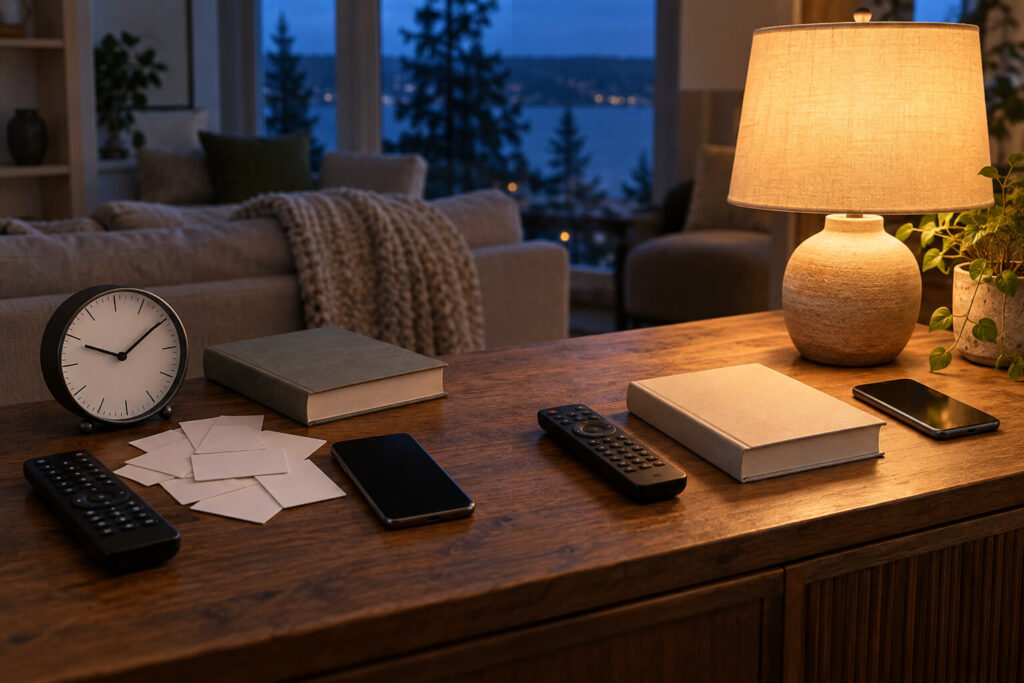
Are you watching a comfort show because it helps mark the end of the day? Reading because you enjoy the quiet? Answering one message because it truly cannot wait? Or are you filling time because you feel you should not go to bed until you are certain you will fall asleep?
The point is not to approve or reject the activity. It is to name what you need from it. Comfort, connection, practical closure, and distraction are different jobs, and they may call for different boundaries.
2. How engaging is it for you tonight?
“TV” is not one uniform experience. A familiar comedy you can stop midway may land differently from a tense series that ends every episode on a cliffhanger. A gentle novel may feel quieter than a work document, while an absorbing mystery may keep you bargaining for one more chapter.
Notice your response rather than relying only on the category. If your body is tired but your mind is rehearsing the plot, composing replies, or reaching automatically for the next episode, the activity is acting as stimulation tonight—even if someone else finds it relaxing.
3. Is the timing workable?
Timing matters, but it does not need to become a countdown. Decide whether the activity has room to end before your intended bedtime. If it regularly expands, create a visible stopping point: one episode, the end of a chapter, or one necessary task.
Popular formulas such as the 3-2-1 rule before bed can be used as rough prompts, but they are not laws. If a numbered routine helps you remember a boundary, adapt it to your actual evening. If it makes you calculate, audit, or panic when you miss a mark, it is not serving its purpose.
4. What are the light and environment like?
Evening light is one adjustable condition, not a verdict on the activity. General NIH healthy-sleep guidance recommends avoiding bright artificial light during quiet time before bed, but it does not establish one required cutoff for every person or device.
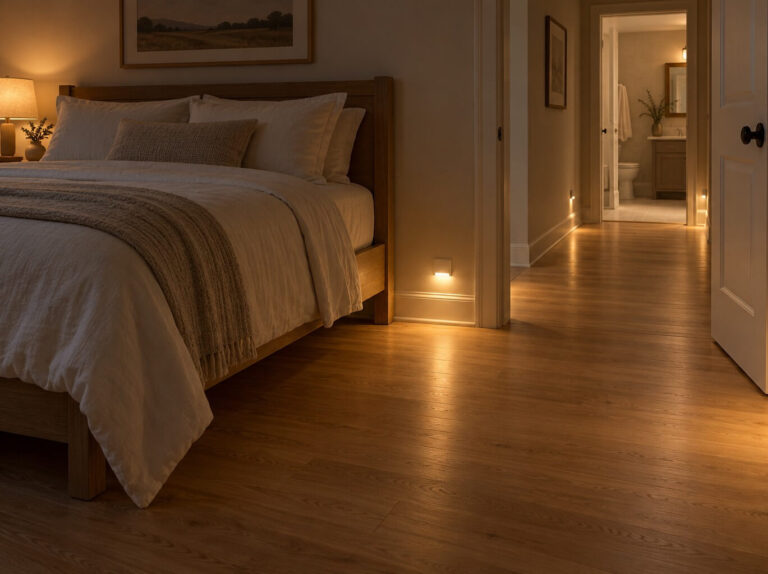
You might lower the screen and room brightness, reduce glare, sit farther from a large display, or switch from a lit device to paper when that is comfortable and practical. Keep enough light to move and read safely. The goal is a gentler environment, not the darkest room you can tolerate.
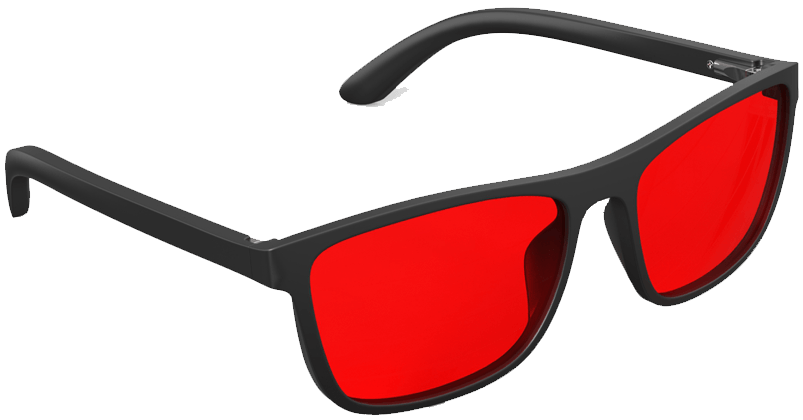
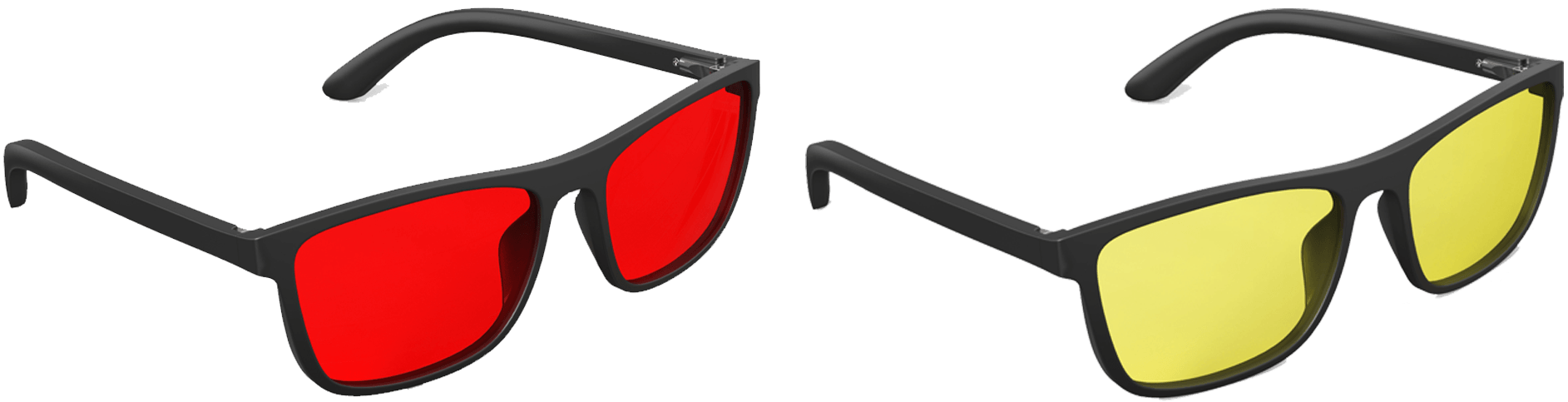
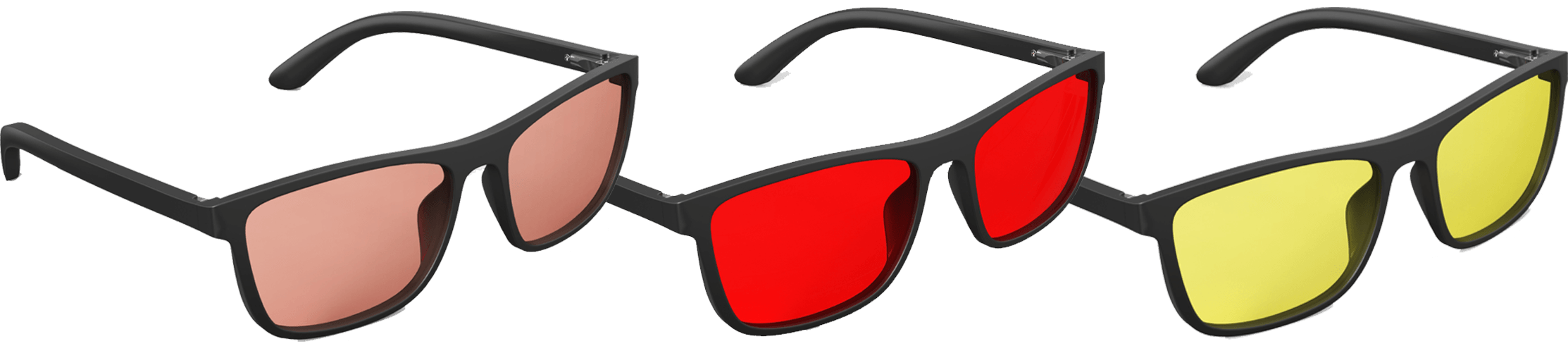
Gloojo Night Ease glasses are another light-control option for evenings spent watching TV or reading on a screen. They are designed to help reduce disruptive evening light exposure and support a bedtime routine.
5. What will tell you it is time to change course?
Choose a stopping signal before you start. It could be the credits, a chapter break, the completion of one message, or noticing that you are no longer enjoying what you are doing.
Then give yourself an if/then option rather than a threat:
If the comfort show still feels calming at the end of one episode, then I can stop there without evaluating whether it “worked.”
If the novel becomes too gripping, then I can mark the page and switch to something familiar or quieter.
If necessary screen time turns into open-ended scrolling, then I can finish the required task and move the phone out of reach.
A fallback makes the plan flexible. It is not a punishment for getting the first choice wrong.
What this looks like for TV, reading, and necessary screens
Watching TV before bed
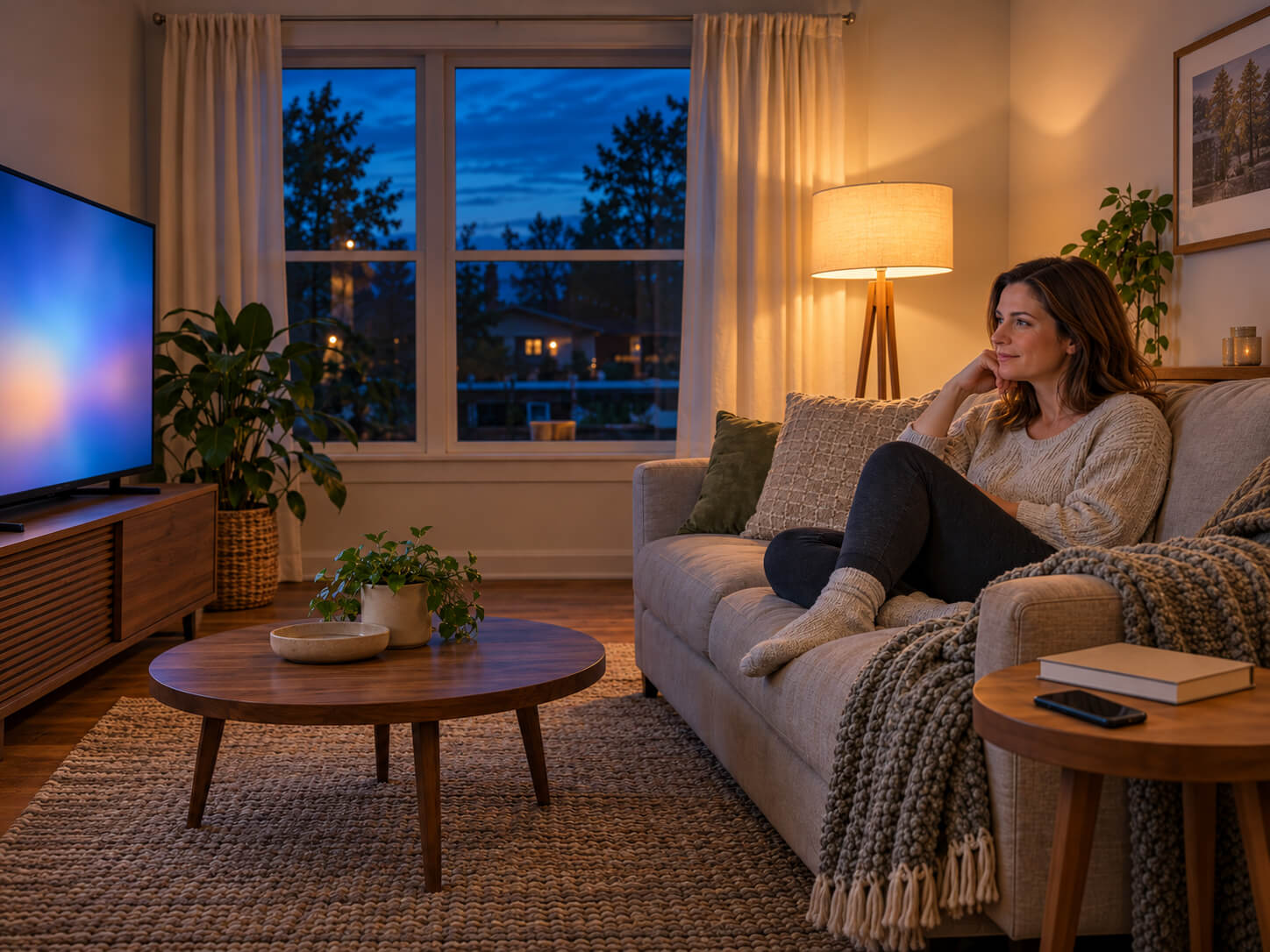
TV can stay when it offers genuine comfort and has an ending you can live with. Try a familiar, lower-engagement program, reduce the brightness of the room and display, and use an episode boundary or sleep timer if autoplay tends to pull you forward.
Change course when you notice the show is making you more alert, emotionally activated, or unwilling to stop. The useful adjustment may be the content or stopping point—not necessarily eliminating TV forever.
Reading before bed
Reading is not automatically calming because it happens on paper, and it is not automatically disruptive because it happens on a device. Consider the book, the display, and your behavior together.
For paper, use comfortable light rather than straining in near-darkness. For an e-reader or tablet, lower brightness to suit the room and turn off nonessential notifications. If the story is keeping you up because you want the next chapter, that is an engagement issue as much as a format issue.
Using a screen because you need to
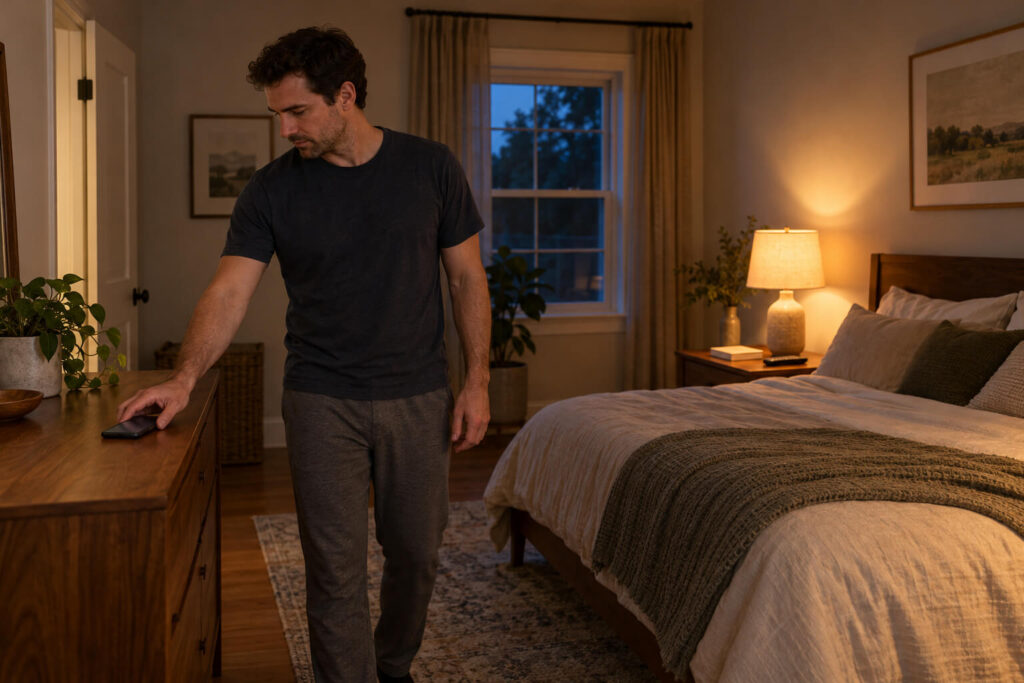
Sometimes the evening screen is not optional. You may need to confirm a schedule, answer a family message, finish a work task, or use an accessibility tool. In that case, define “done” before you begin. Open the one app or document you need, complete the task, and close it before the device becomes the rest of the evening.
This protects the purpose of the activity without pretending that real life stops at a perfect hour.
Try one reversible experiment—not a stricter routine
If you want to learn what helps, change one low-friction variable for several evenings. Do not simultaneously ban TV, move bedtime, change every light, start a complicated routine, and judge the entire package after one night.
Choose the variable that seems most connected to your experience:
Stop after one episode instead of relying on autoplay.
Keep the same reading time but choose a less absorbing book.
Finish the necessary screen task, then place the phone across the room.
Keep the activity but lower excessive room or screen brightness.
Before you start, decide what “useful” would look like without demanding a sleep result. Maybe the evening feels less frantic. Maybe stopping involves less negotiation. Maybe you spend less time checking the clock. These are observations about the routine; they are not a nightly grade.
Try the change across several ordinary evenings, then ask two questions: Was it easy enough to repeat? Did it make the wind-down feel less activating or pressured? If not, revise it or drop it. A reversible experiment is allowed to teach you that a rule does not fit.
Have a non-punitive plan for a wakeful night
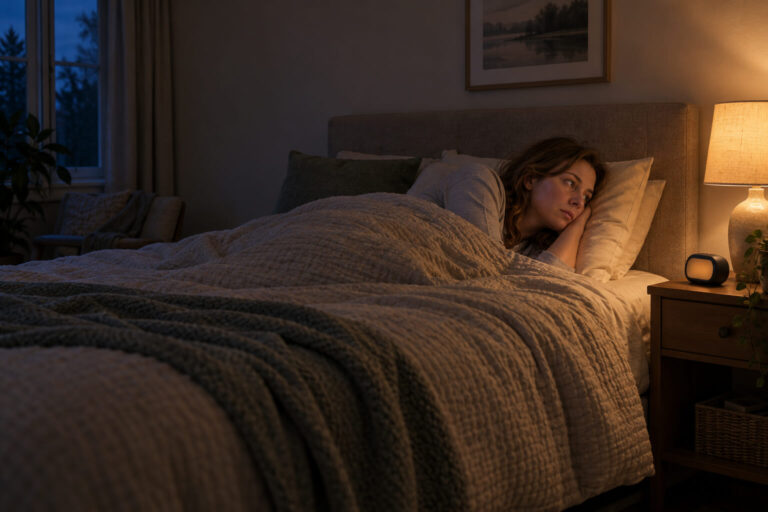
A flexible routine also needs a response for nights when sleep does not arrive. Otherwise, every choice can feel like evidence in a trial about what you did wrong.
First, stop adding up the consequences. Turn the clock away or place the phone where you cannot keep checking it. You do not need to determine the exact minute the night became “bad.”
If you are lying in bed feeling increasingly frustrated or alert, consider getting up briefly and doing something quiet in comfortable, low light. Return when you feel sleepier rather than using a rigid timer. This idea is related to stimulus control, a behavioral approach intended to weaken the learned connection between bed and wakeful struggle; clinical sleep guidance treats it as one component of broader care, not a guaranteed trick for every difficult night.
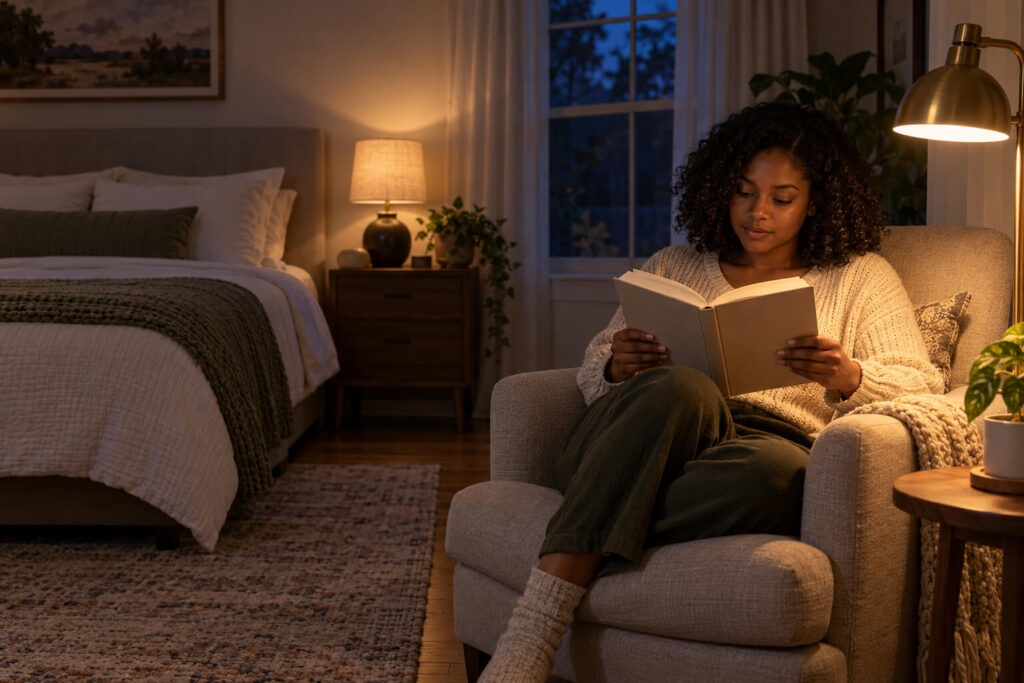
Keep the fallback simple. You are not restarting your bedtime routine or earning another chance to sleep. You are stepping out of the struggle for a while.
If sleep difficulty is persistent, distressing, or affecting daytime life, a healthcare professional can help you look beyond tonight’s routine and consider appropriate support.
Make tonight easier to live with
You do not need to settle every debate about watching TV before bed. Pick the one part of your evening that creates the most friction and make one good-enough adjustment: a calmer episode, a chapter boundary, a defined screen task, or gentler light.
Then stop auditing the rest of the night. The plan is not to perform bedtime perfectly. It is to create an evening you can actually live with—and a fallback that does not blame you when sleep is slow to arrive.
Disclaimer
This article is for educational purposes only and is not medical advice. Gloojo Night Ease™ Sleep Glasses are not intended to diagnose, treat, cure, or prevent insomnia, sleep disorders, circadian rhythm disorders, or any medical condition. If you have chronic sleep problems, take medication, are pregnant or nursing, or are considering sleep supplements, please speak with a qualified healthcare professional.