Use the promo code to enjoy a 10% discount storewide.
Sleep Hygiene Mistakes: 5 Overlooked Habits That Hurt Sleep
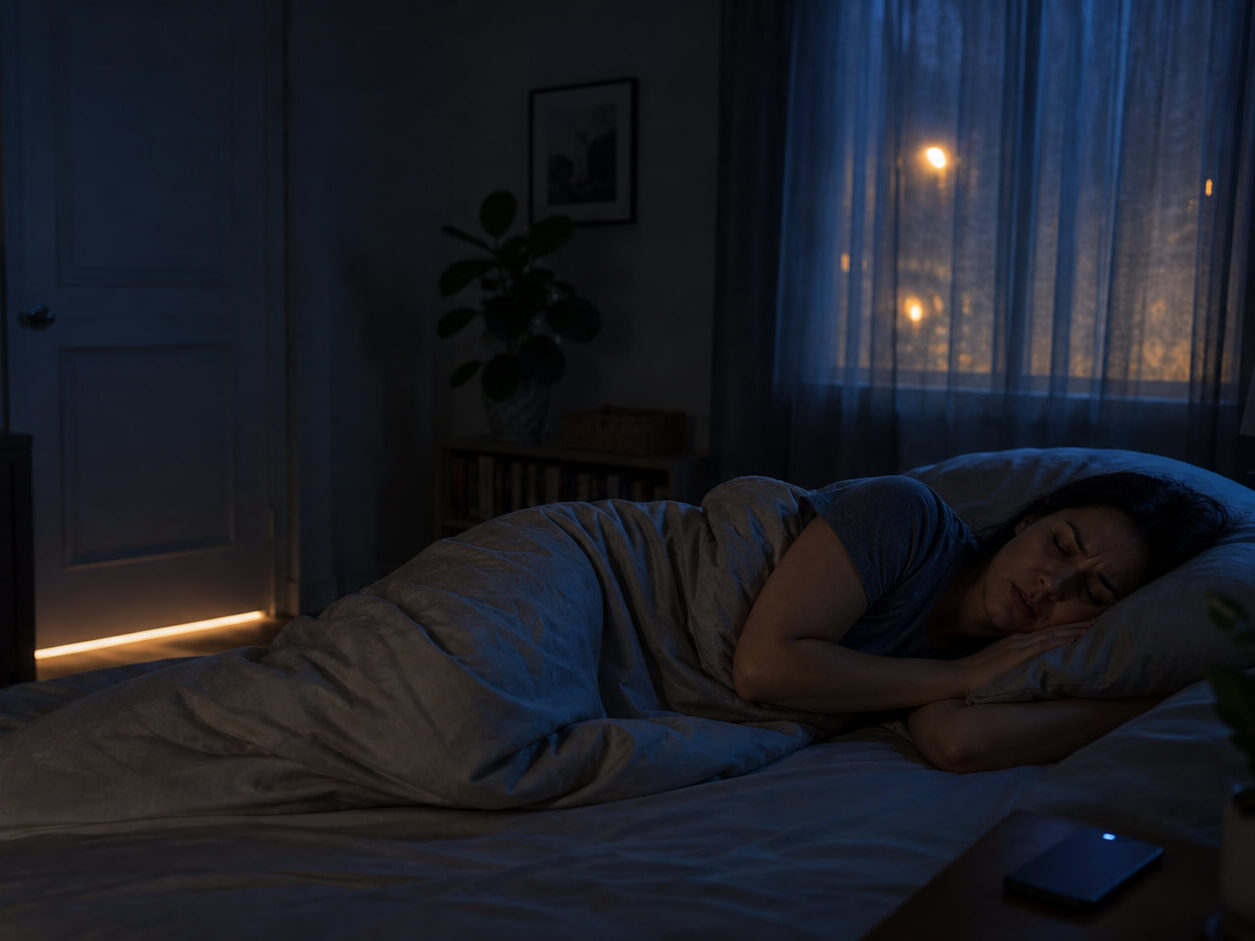
If you’re sleeping poorly despite doing “the right things,” the problem may be habits you don’t recognize as problematic. Here are five common sleep hygiene mistakes that can undermine sleep quality: shifting your sleep schedule on weekends, underestimating bedroom light, skipping bright morning light, using screens in bed to unwind, and trying too hard to fall asleep.
Your sleep schedule shifts by two or more hours on weekends
Many people focus on getting eight hours of sleep without paying attention to when they sleep. If your bedtime and wake time shift by two or more hours between weekdays and weekends — staying up late Friday and Saturday, sleeping in Saturday and Sunday, then snapping back to an early alarm on Monday — your circadian system has to readjust every week.
Sleep regularity — consistency in sleep onset and wake timing — has been identified by an expert panel as important for health, safety, and performance. A 2023 consensus statement from the National Sleep Foundation found that variability in sleep timing is associated with poorer outcomes. Regularity matters in addition to getting enough total sleep. The panel did note that catch-up sleep may help when weekday sleep is genuinely insufficient, but the habit of large, frequent schedule shifts can keep your body clock from settling into a stable rhythm.
Your internal clock relies on consistent cues to align sleep pressure with circadian timing. When those cues shift every few days, the alignment gets disrupted — and you may feel the effects as difficulty falling asleep on Sunday night or grogginess on Monday morning.
What to try: Aim for a reasonably consistent wake time every day, including weekends. That single anchor is a simple way to help stabilize the rest of the schedule.
Your bedroom isn't as dark as you think
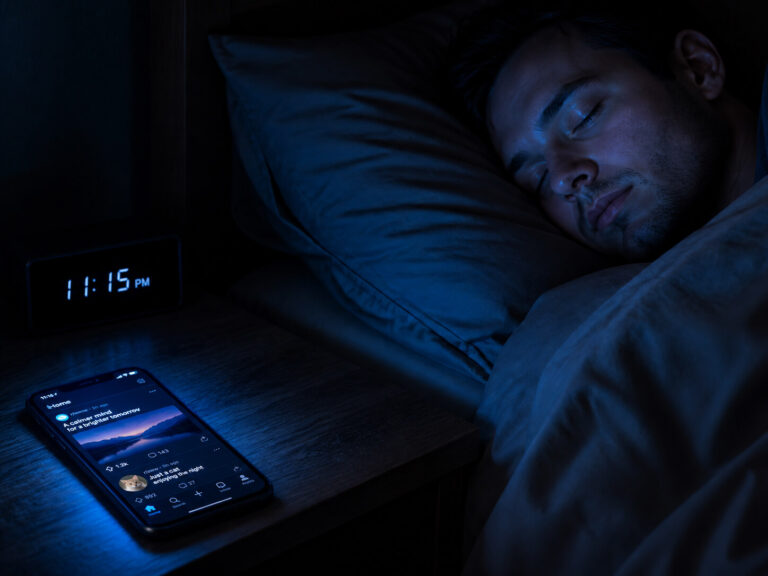
You may have removed screens from the bedroom and dimmed the lights before bed. But many people underestimate how much ambient light remains: standby LEDs on electronics, street light filtering through curtains, a hallway light left on, or even a bathroom light nearby.
Ordinary room light — below about 200 lux, which is a typical indoor level — has been shown to delay melatonin onset and shorten melatonin duration in healthy adults. The effect isn’t dramatic in one night, but it can accumulate. Your body’s melatonin signal is one of the cues that tells your brain it’s time for sleep, and when that signal is blunted or delayed, falling asleep can take longer even if you feel tired.
The NHLBI recommends keeping the bedroom dark as part of a broader sleep-hygiene routine. For many people, the gap between “I turned off the TV” and “my bedroom is actually dark” is larger than they realize.
What to try: Spend one night paying attention to every light source in your bedroom after you’ve “turned everything off.” Standby lights, charging indicators, street light through curtains, and hallway glow all count. Covering or removing even small light sources can make a meaningful difference.
You stay indoors all morning then get bright light at night
Most conversations about light and sleep focus on reducing evening light — dim the screens, use night mode, wear filtering glasses. That’s not wrong, but it’s only half the story.
Your circadian system responds to the contrast between daytime and nighttime light exposure. Bright light in the morning helps anchor your internal clock and strengthen the signal that distinguishes day from night. An expert consensus on indoor light exposure recommends bright melanopic light during the day and much lower exposure during the three hours before sleep (full text).
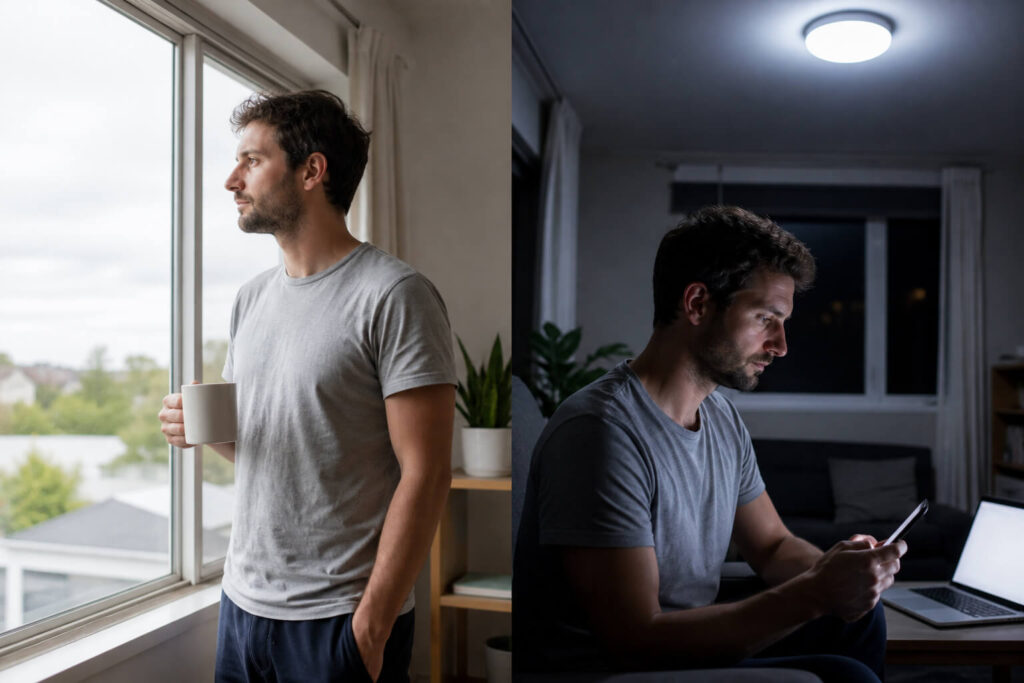
If you stay indoors all morning under dim artificial light, then spend your evening under bright LEDs or screen light, you’re sending your circadian system an inverted signal: low contrast during the day, high stimulation at night. This can make it harder for your body to recognize when it’s time to wind down.
What to try: Get outside in the morning, even briefly. Daylight — even on overcast days — provides far more light than indoor environments. If getting outside isn’t possible, sitting near a window or in the brightest room of your home is a reasonable alternative.
You use screens in bed to "wind down"
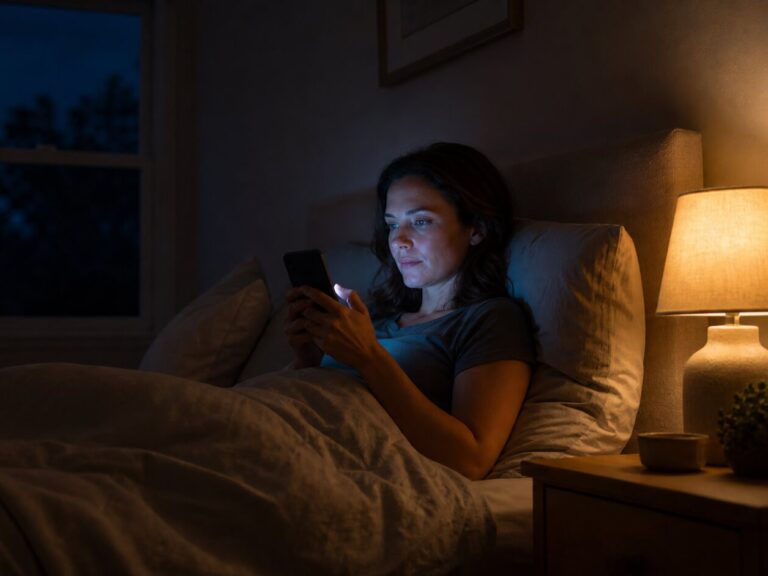
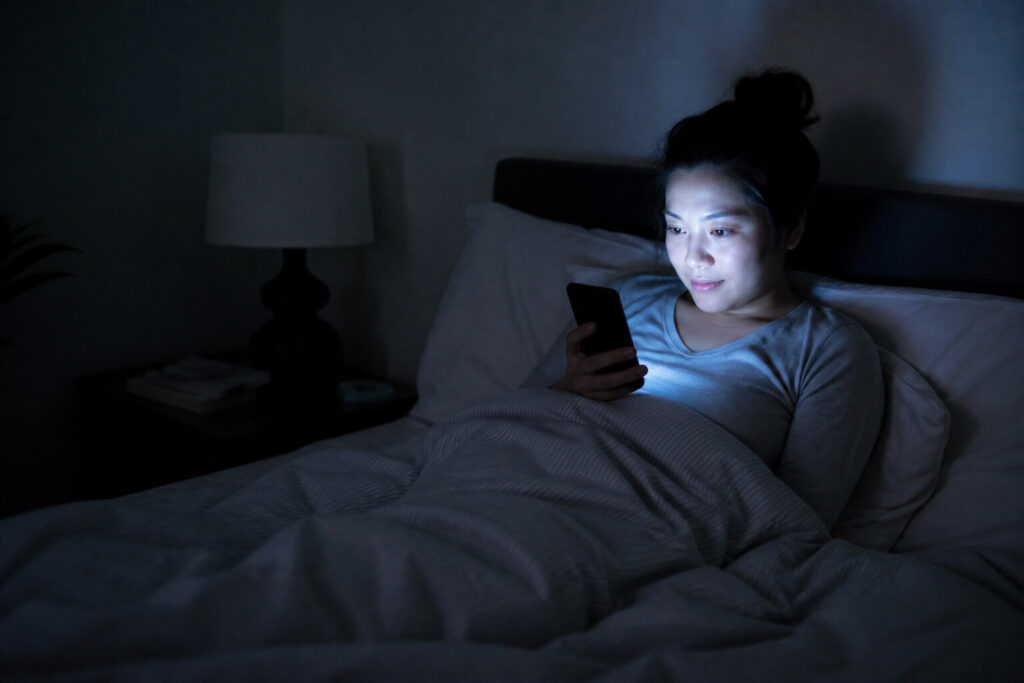
Scrolling social media, watching a show, or reading on a phone in bed feels relaxing. It can even feel like a reward after a long day. But it combines three things that work against sleep:
Light exposure. A study comparing evening eReader use with reading a printed book found that the light-emitting device suppressed melatonin, delayed circadian timing, increased the time to fall asleep, and reduced next-morning alertness. Because both conditions involved reading before bed, the difference points to the light and the device context as contributing factors.
Cognitive arousal. Screens deliver content that keeps your brain engaged — news, conversations, videos, games. Even “relaxing” scrolling can sustain cognitive-emotional stimulation that is the opposite of the mental wind-down your brain needs before sleep.
Conditioned wakefulness. When you spend extended time awake in bed doing stimulating activities, your brain can learn to associate the bed with wakefulness rather than sleep. Over time, this association can make it harder to fall asleep even when you put the phone away — because the bed itself has become a cue for being alert.
What to try: Move screen use out of the bed entirely. If you want to watch or scroll, do it on the couch or in a chair, then go to bed when you’re ready to sleep. This helps your brain relearn that the bed is a place for sleep, not for being awake and engaged.
You lie in bed trying to fall asleep
This is perhaps the most counterintuitive habit on the list. When you’re not sleeping well, the natural response is to spend more time in bed — go to bed earlier, stay in bed longer, try harder to fall asleep. But this approach can backfire.
When you lie awake in bed for extended periods, you’re training your brain to associate the bed with wakefulness, frustration, and effort. Sleep researchers call this “conditioned wakefulness” — the bed itself becomes a trigger for arousal rather than sleep. The longer you lie there trying, the more frustrated you become, and the harder sleep becomes.
Clinical guidelines for insomnia treatment emphasize stimulus control: if you’ve been awake in bed for a while, get up, go to another room, and do something quiet and low-stimulation until you feel drowsy. Then return to bed. This isn’t about punishing yourself for not sleeping — it’s about protecting the association between your bed and actual sleep.
The “trying” itself is part of the problem. Effortful sleep — clock-watching, calculating how many hours you have left, worrying about tomorrow — can sustain the same cognitive arousal that keeps you awake. The goal is to make sleep something that happens when conditions are right, not something you force.
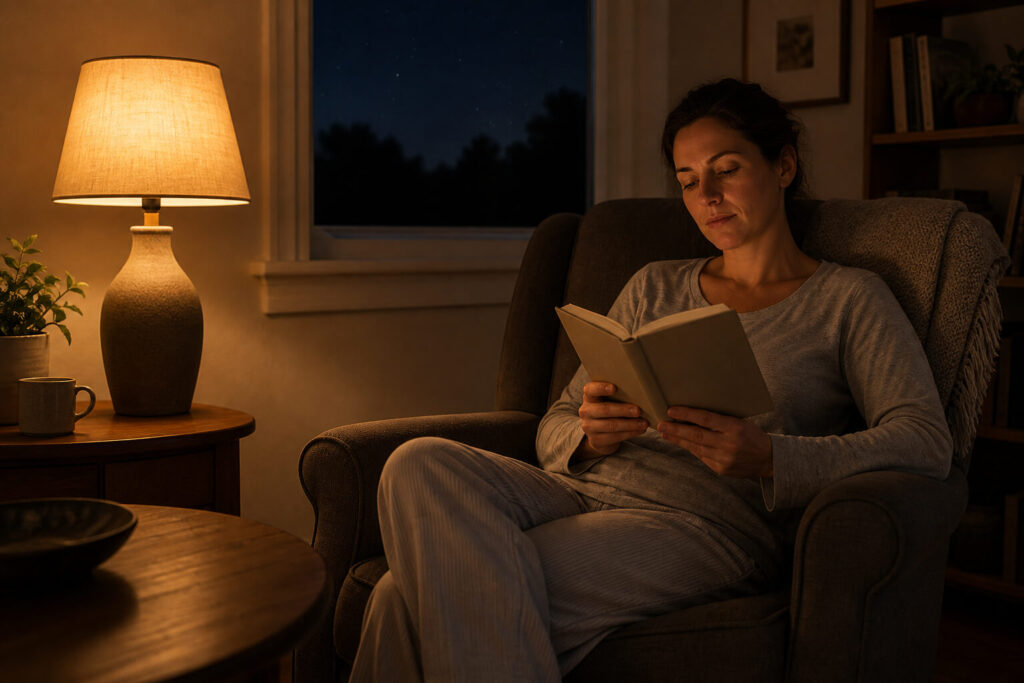
What to try: If you’ve been lying awake for a while, get up. Read in dim light, sit quietly, or do something boring until you feel genuinely drowsy. Then go back to bed. This feels wrong the first few times, but it’s one of the most evidence-supported strategies for breaking the cycle of effortful sleep.
What these habits have in common
Each of these habits undermines sleep through a different mechanism — circadian disruption, melatonin suppression, conditioned arousal, or cognitive stimulation. But they share a pattern: they’re things people do that feel reasonable or even healthy, and the connection to poor sleep isn’t obvious until you know what to look for.
If your sleep has been inconsistent and you can’t identify why, these five habits are worth checking first. You don’t need to fix all of them at once. Start with the one that feels most familiar, make a small adjustment, and see what changes.
If you’ve addressed the habits that seem most relevant and your sleep is still consistently poor — or if sleep difficulty is affecting your daily functioning — it’s worth talking to a healthcare professional. Persistent sleep problems can have causes that go beyond habit patterns, and approaches like cognitive behavioral therapy for insomnia have strong clinical support for addressing them.
Disclaimer
This article is for educational purposes only and is not medical advice. Gloojo Night Ease™ Sleep Glasses are not intended to diagnose, treat, cure, or prevent insomnia, sleep disorders, circadian rhythm disorders, or any medical condition. If you have chronic sleep problems, take medication, are pregnant or nursing, or are considering sleep supplements, please speak with a qualified healthcare professional.